

Worldwide Shipping Delays in 2026: Causes, Impact, and What Comes Next
Introduction
In recent months, businesses around the world have begun experiencing an increasingly familiar challenge: delayed hardware shipments and extended delivery timelines. What may initially appear to be isolated incidents is, in reality, part of a much broader global issue.
The current wave of shipping delays is not driven by a single vendor or region—it is the result of widespread disruptions across global logistics networks. Understanding the root causes and implications of these delays is essential for businesses looking to maintain operational continuity in 2026.
What’s Causing the Delays?
1. Geopolitical Tensions and Restricted Trade Routes
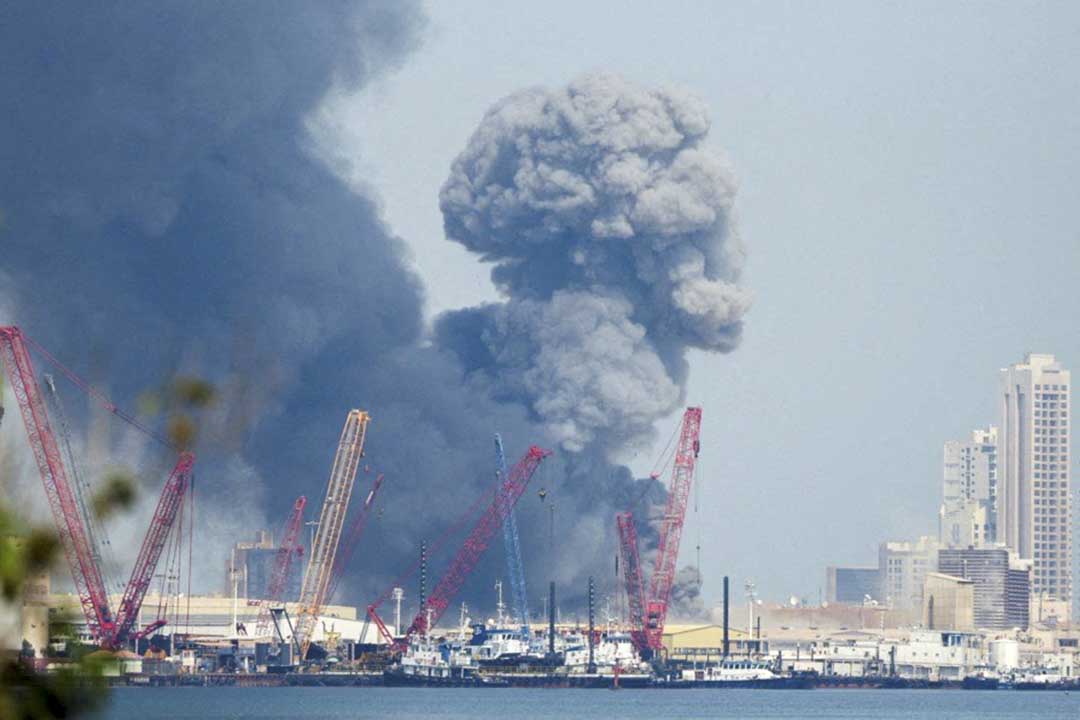
Ongoing instability in parts of the Middle East has significantly impacted key global transport routes. Airspace restrictions and reduced flight capacity have forced cargo carriers to reroute, increasing transit times and limiting overall logistics efficiency.
At the same time, major maritime routes are facing disruptions, causing vessels to take longer, alternative paths. These changes not only delay shipments but also create congestion across other ports and regions.
2. Reduced Air Freight Capacity
Air freight plays a critical role in time-sensitive hardware delivery. However, with restricted airspace and fewer available routes, global cargo capacity has been significantly reduced.
As a result:
-
Delivery timelines are extended
-
Costs for expedited shipping have increased
-
Availability of priority freight services is limited
3. Ripple Effects Across Global Supply Chains
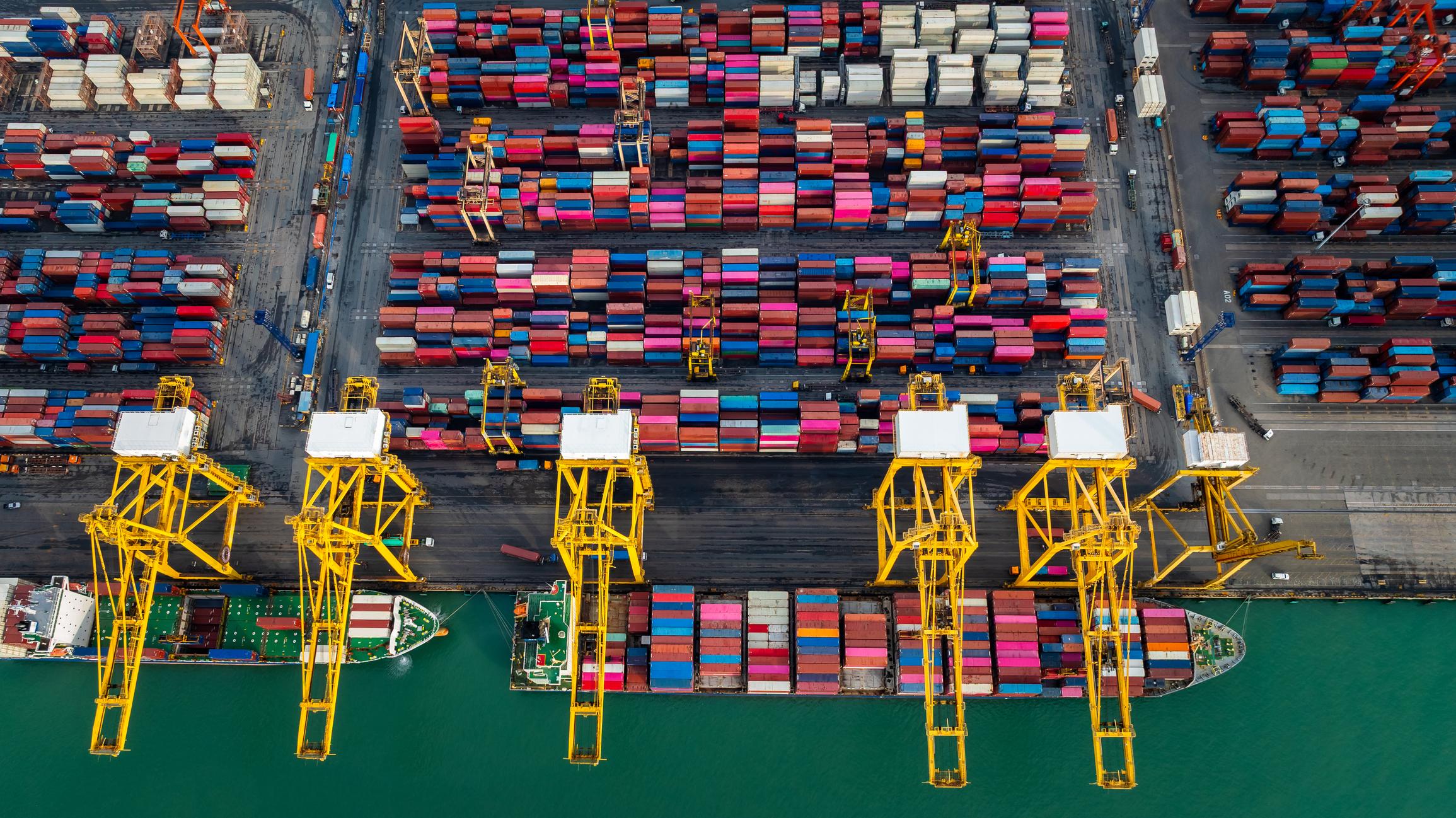
Supply chains are deeply interconnected. When one region experiences disruption, the effects are felt worldwide.
Shipping delays in one corridor can lead to:
-
Port congestion in alternative regions
-
Inventory imbalances across global warehouses
-
Longer lead times even for unaffected routes
This “domino effect” means that businesses in Asia, Europe, and beyond may experience delays - even if their shipments do not directly pass through affected zones.
4. Rising Fuel Costs and Operational Constraints
Global logistics is heavily dependent on fuel. Recent increases in fuel costs have added another layer of complexity, driving up transportation expenses and forcing logistics providers to adjust routes and schedules more conservatively.
In addition, safety considerations for logistics personnel have led to more cautious planning and frequent schedule adjustments.

What This Means for Businesses
1. Longer Hardware Lead Times
Organizations relying on physical equipment such as laptops, servers, or networking devices may face delays in receiving critical hardware. This can impact:
-
IT upgrades and refresh cycles
-
New employee onboarding
-
Project deployment timelines
2. Less Predictability in Delivery Schedules
Traditional delivery estimates may no longer be as reliable as before. Even confirmed shipments can experience unexpected changes due to evolving conditions.
3. Increased Cost Pressures
With higher freight costs and limited availability of express options, businesses may need to reassess budgets for procurement and logistics.
4. Greater Reliance on Remote Capabilities
While hardware delivery may be affected, software platforms and remote support services remain largely unaffected. This has accelerated the shift toward:
-
Remote IT management
-
Cloud-based solutions
-
Virtual support models
What Comes Next?
While the situation remains dynamic, several trends are expected to shape the months ahead:
-
Continued volatility in delivery timelines as global conditions evolve
-
Greater emphasis on inventory planning and forecasting
-
Increased adoption of hybrid IT strategies, balancing hardware and software solutions
-
Stronger collaboration between businesses and logistics partners
How Businesses Can Stay Ahead
To navigate this environment effectively, organizations can take a proactive approach:
Plan Ahead
Allow for longer lead times when ordering hardware, especially for critical projects.
Prioritize Critical Needs
Identify essential equipment and align procurement priorities accordingly.
Leverage Remote Solutions
Maximize the use of software, cloud platforms, and remote support to reduce dependency on physical deployment.
Maintain Close Communication
Work closely with service providers and account managers to stay updated on shipment status and explore alternative solutions when needed.
Conclusion
The worldwide shipping delays seen in 2026 are a reflection of a complex and evolving global landscape. While these disruptions present real challenges, they also highlight the importance of adaptability and strategic planning.
By understanding the broader context and taking proactive steps, businesses can minimize disruption, maintain continuity, and remain resilient even in uncertain times.
1 comments